Major Cities
Beijing, Shanghai, Xi’an, Chengdu and other large cities are generally safe and well organized for tourists.

Is China safe to travel in 2026?
For most tourists visiting major destinations such as Beijing, Xi’an, Shanghai, Guilin, Zhangjiajie, Chengdu, Chongqing, Hangzhou and Suzhou, the answer is generally yes. China is usually a safe country for travelers, with modern transport, strong public security, convenient hotels, reliable high-speed trains and well-developed tourism infrastructure.
Many visitors are surprised by how safe they feel walking around Chinese cities, even in the evening. Violent crime against tourists is uncommon, public areas are usually busy, and major tourist attractions are well managed.
That said, no country is risk-free. Travelers should still pay attention to local laws, scams, traffic, weather, payment issues, health precautions and regional restrictions. A smooth China trip comes from good preparation, realistic expectations and smart daily habits.
This guide explains what first-time visitors should know before traveling to China in 2026.
Yes, China is generally safe for tourists, especially in major cities and popular travel destinations.
Most visitors travel without serious problems. The main risks for tourists are usually not violent crime, but practical travel issues such as:
If you are visiting China for the first time, the safest approach is to plan your route carefully, keep copies of important documents, use official transport, stay aware in crowded places, and work with reliable local support when needed.
China is generally safe for visitors in major tourist destinations, but first-time travelers should prepare for local laws, payments, transport, scams and weather differences.
Beijing, Shanghai, Xi’an, Chengdu and other large cities are generally safe and well organized for tourists.
High-speed trains, airports and private transfers are usually reliable, but stations can be large and crowded.
Alipay and WeChat Pay are useful for daily travel. Carry cash and a credit card as backup.
Watch for scams, pickpockets, traffic, weather delays, lost documents and local law differences.
China can be a very comfortable destination for first-time visitors, especially if you are traveling on a well-planned route.
Popular tourist cities have good hotels, clean airports, efficient trains, major attractions, English signs in many transport hubs, and a strong tourism service network. In cities such as Beijing, Shanghai, Xi’an, Chengdu and Hangzhou, travelers can usually move around safely during the day and evening.
However, first-time visitors may still find China challenging because of:
This does not mean China is unsafe. It means China is easier when you prepare properly.
China is generally safe for solo travelers in major tourist areas.
Solo travelers often enjoy China because public transport is efficient, cities are busy, hotels are easy to find, and violent crime is uncommon in tourist zones. It is usually safe to walk around central areas in the evening, especially in places such as Shanghai’s Bund, Beijing’s Wangfujing, Xi’an’s Muslim Quarter, Chengdu’s city center and Chongqing’s Jiefangbei area.
Solo travelers should still take normal precautions:
If you are not comfortable managing transport, tickets and language alone, a private guide can make your trip much easier.
China is generally safe for women travelers, including solo women, couples and groups of friends.
Many women travelers feel comfortable in Chinese cities because streets are busy, public transport is widely used, and hotels and major attractions are well organized. It is common to see women walking, shopping, eating and taking public transport alone.
Still, normal precautions are important:
For women traveling alone for the first time in China, joining a private tour or arranging airport pickup for the first day can reduce stress.
Yes, China is generally safe for family travel.
Families often enjoy China because there are many child-friendly experiences:
The main challenge for families is not safety, but pacing. China’s attractions can be large, and children may get tired quickly.
Family safety tips:
For families, a slower private itinerary is usually safer and more enjoyable than a rushed group tour.
In major tourist cities, many central areas are safe and lively at night.
Places such as the Bund in Shanghai, Jiefangbei and Hongya Cave in Chongqing, Muslim Quarter in Xi’an, Chunxi Road in Chengdu and Wangfujing in Beijing often stay busy after dark.
However, travelers should still be sensible:
Night walks are often enjoyable in China, but it is still better to know where you are going and how you will return to your hotel.
Most trips to China are trouble-free, but scams can happen, especially in busy tourist areas.
Common scams include:
A friendly stranger may invite you to a tea ceremony, art exhibition or small shop. The final bill may be much higher than expected.
Unlicensed drivers may approach tourists at airports, stations or attractions and quote inflated prices.
Around major attractions, some people may offer unofficial tickets, shortcuts or guiding services.
Some low-quality tours include forced shopping stops or pressure to buy jade, silk, tea or medicine.
Scammers may pretend to be authorities, delivery companies, banks or hotels and ask for personal information or payment.
How to avoid scams:
China is generally safe from violent crime, but petty crime can still happen.
Pickpocketing is more likely in:
Protect your belongings by:
Most tourists will not experience theft, but basic awareness is still important.
One of the most important safety topics in China is understanding local laws.
Travelers should respect local regulations and avoid activities that may cause trouble. Laws and enforcement may be different from your home country.
Important reminders:
For normal sightseeing travelers, this is usually not difficult. The key is to follow local rules and avoid sensitive situations.
No. China is large, and safety conditions are not exactly the same everywhere.
For most first-time visitors, the usual routes are:
These places are common tourist destinations with strong travel infrastructure.
Some regions require extra planning or permits, such as Tibet. Some border areas or politically sensitive regions may have more security checks or restrictions. If you plan to visit Tibet, Xinjiang or remote border areas, check current travel rules carefully and work with a qualified operator.
If this is your first trip to China, it is usually better to start with classic destinations before planning remote or restricted regions.
Yes, public transport in China is generally safe and efficient.
High-speed trains are one of the best ways to travel between cities. They are clean, fast and punctual. Metro systems in cities such as Beijing, Shanghai, Chengdu, Xi’an, Hangzhou and Chongqing are modern and widely used.
However, public transport can be crowded and confusing for first-time visitors.
Tips for safe transport:
Private transfers are especially helpful for airport arrivals, Great Wall trips, Zhangjiajie mountain areas, Guilin countryside, and multi-city Jiangnan routes.
Traffic in China can feel different from what many foreign visitors are used to.
Cars, buses, scooters, bicycles and pedestrians may share busy roads. In some cities, electric scooters can be quiet and fast. Drivers may not always behave the way you expect.
Road safety tips:
Walking is safe in most tourist areas, but traffic awareness is important.
Food is one of the best parts of traveling in China, but your stomach may need time to adjust.
In major cities and reputable restaurants, food hygiene is generally good. However, street food, spicy food, cold dishes and unfamiliar ingredients may affect sensitive stomachs.
Food safety tips:
If you have dietary restrictions, prepare a translated note in Chinese before your trip.
China has modern hospitals in major cities, including international clinics in places such as Beijing, Shanghai, Guangzhou and Chengdu. Smaller cities and rural areas may have fewer English-speaking medical services.
Before traveling:
If you become seriously ill during a private tour, your guide or travel consultant can help contact hospitals, arrange transport and translate basic needs.
Air quality varies by city and season. Some northern cities may have poorer air quality during certain periods, while southern cities can be humid or rainy.
Weather risks include:
Packing tips:
If your route includes Zhangjiajie, Guilin, Yangshuo or mountain areas, weather can change quickly. A private guide can help adjust the route when needed.
Keep these emergency numbers saved on your phone:
Save these numbers before your trip. If you are traveling with a private guide, also keep your guide and travel consultant’s contact details available offline.
If you lose your passport in China, act quickly.
General steps:
Before your trip, save digital copies of your passport, visa, flight ticket and hotel information.
Use this simple checklist before and during your trip:
A few simple preparations can make your China trip smoother, safer and less stressful.
A private tour can make China much easier and safer, especially for first-time visitors.
A good private tour helps with:
This is especially helpful for families, senior travelers, solo travelers, first-time visitors and guests visiting places such as Zhangjiajie, Guilin, Chongqing or multi-city routes.
You can travel independently in China, but a private guide reduces stress and helps you spend more time enjoying the trip.
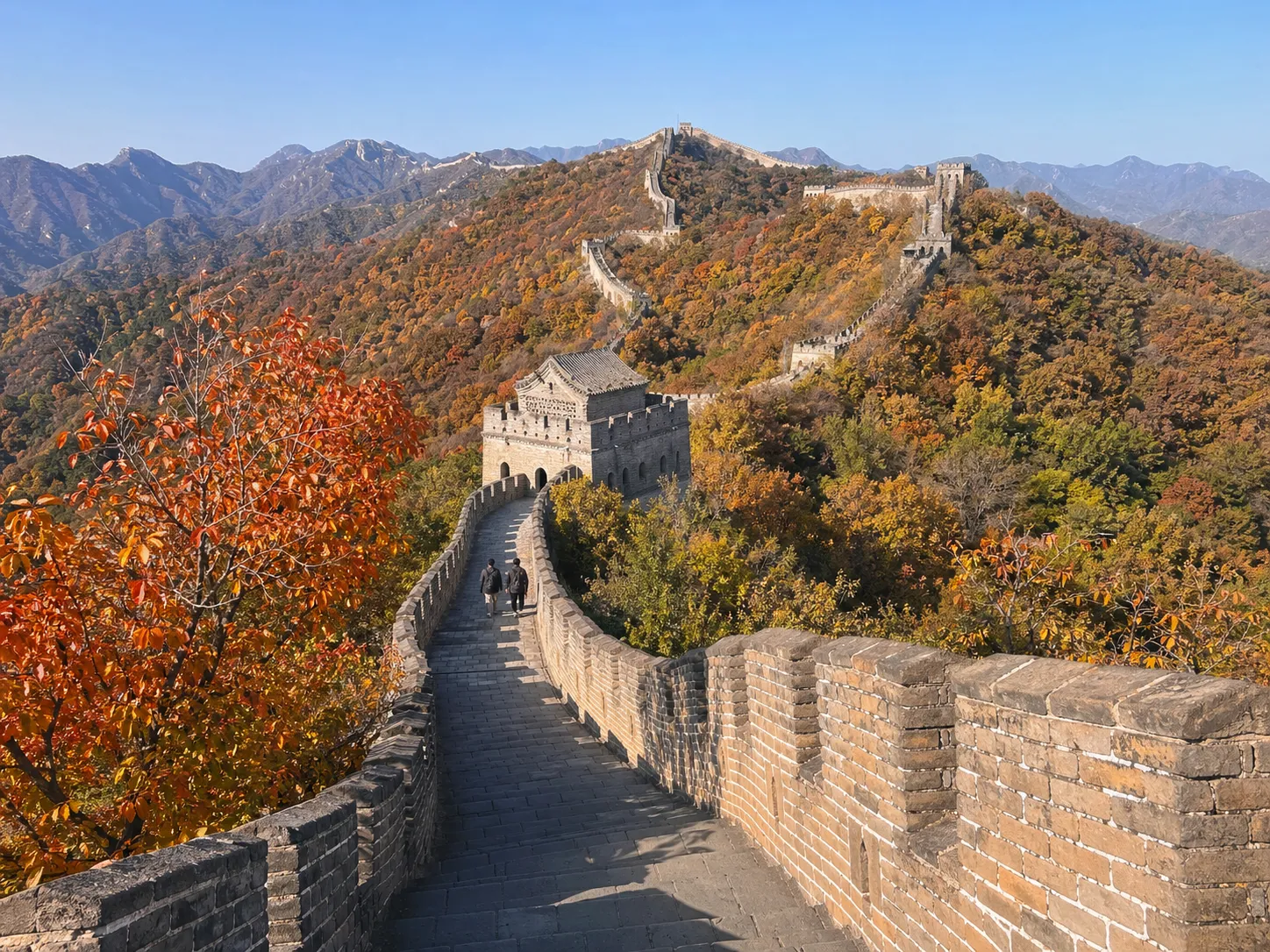
Beijing is generally safe for tourists. The main challenges are large attractions, heavy walking days and crowds at popular sites such as the Forbidden City and Great Wall.
Tips:
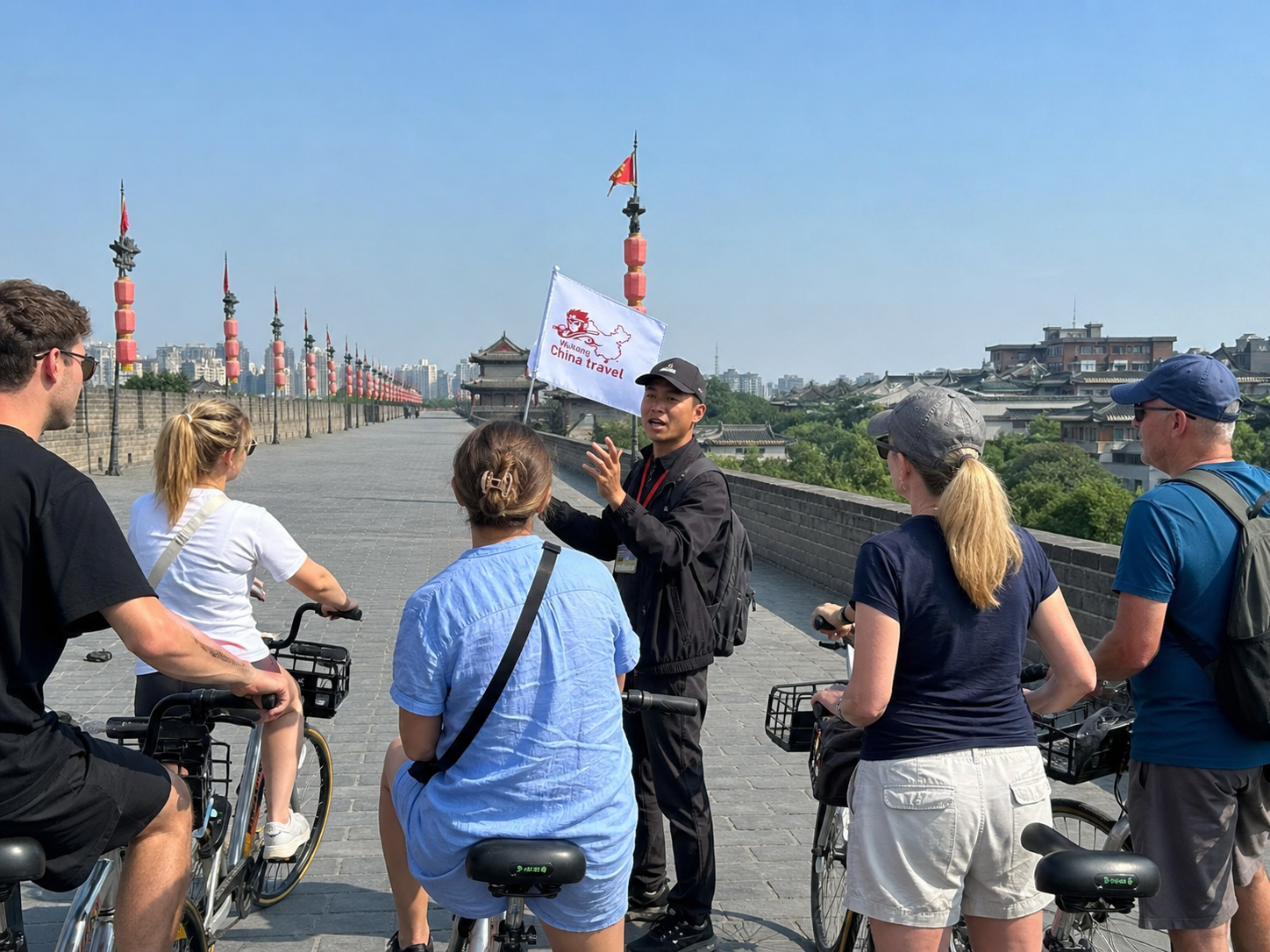
Xi’an is tourist-friendly and safe in major areas. The Muslim Quarter, City Wall and Terracotta Warriors are popular with visitors.
Tips:
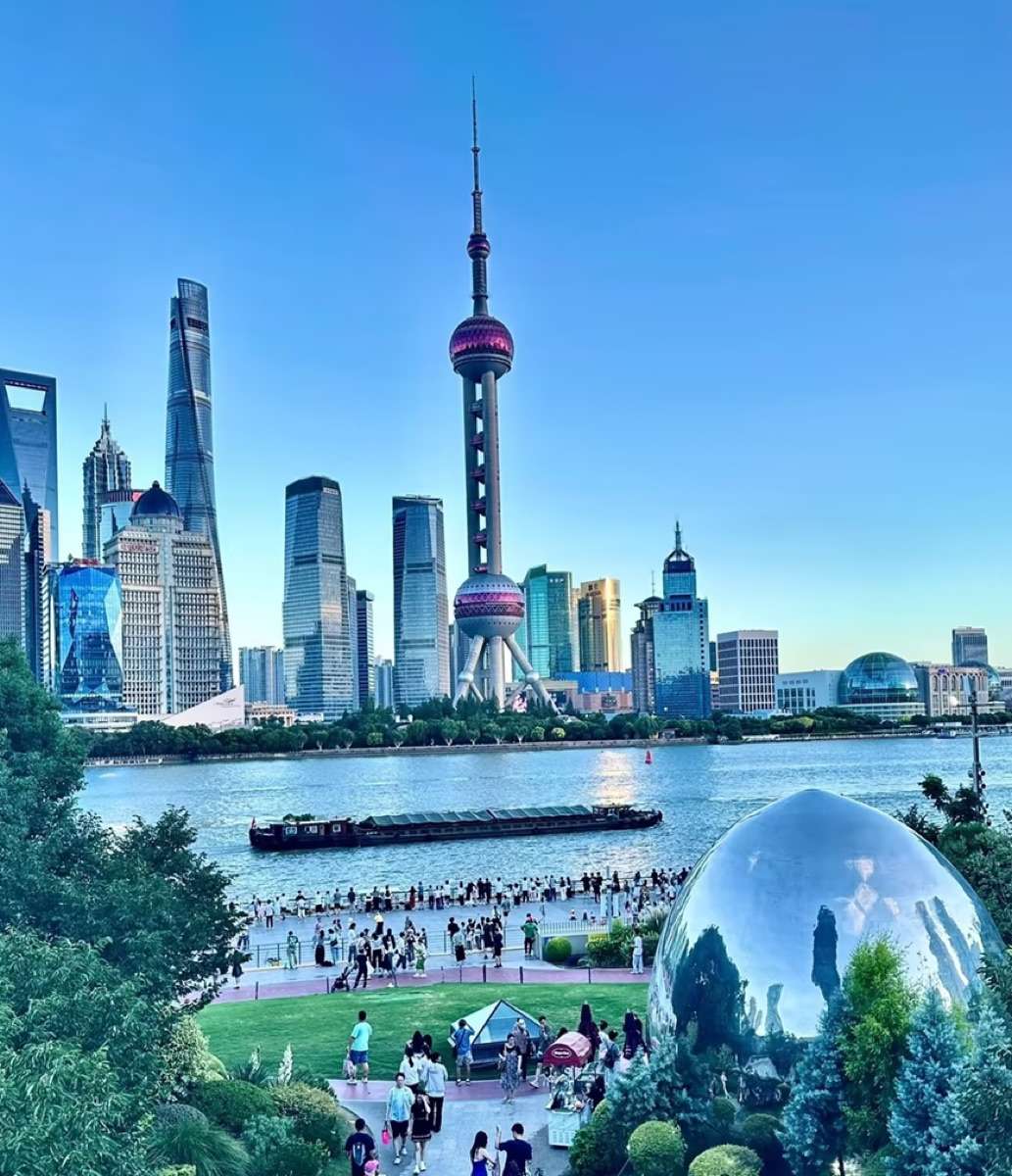
Shanghai is one of China’s easiest cities for first-time visitors. The Bund, Lujiazui, Yu Garden and French Concession are generally safe and well developed.
Tips:
Guilin and Yangshuo are generally safe and popular for scenery, but countryside travel is easier with a private driver or guide.
Tips:
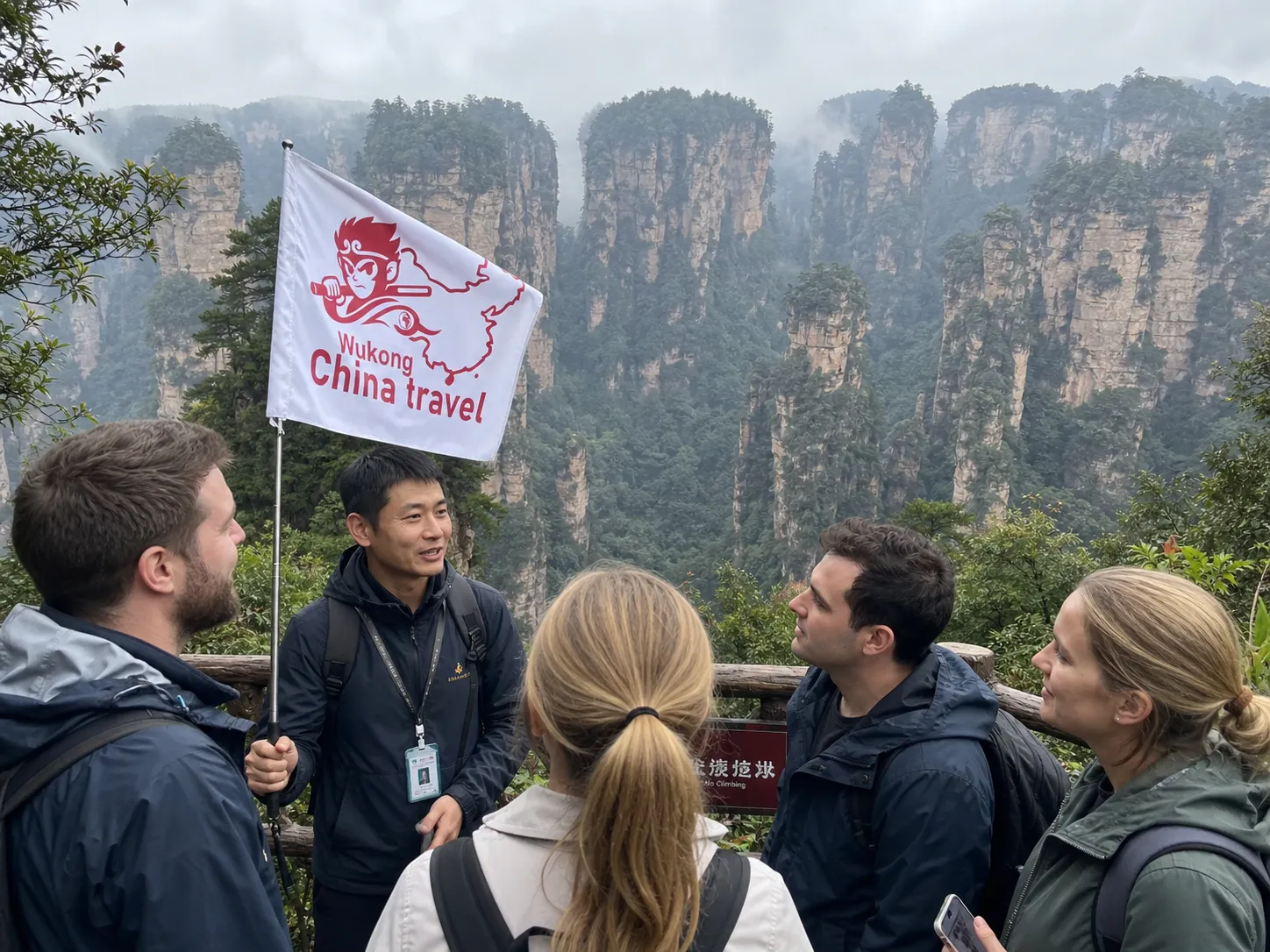
Zhangjiajie is safe for tourists, but the national park is large and logistics can be confusing.
Tips:
Chongqing is generally safe and lively, especially in central areas. The main challenges are stairs, hills, traffic, spicy food and crowds at night-view spots.
Tips:
The Jiangnan region is generally safe and comfortable for travelers. Private vehicle transfers are especially useful for multi-city routes with luggage.
Tips:
Related guides: China visa options for US citizens · Does WhatsApp work in China?
Yes, China is generally safe for tourists visiting major destinations. Most travelers experience no serious safety problems, especially on well-planned routes.
American tourists can visit China, but they should check current travel advice, understand local laws and prepare documents, payments and emergency contacts before departure.
China is generally safe for solo female travelers in major cities and tourist areas. Normal precautions still apply, especially at night and in unfamiliar places.
Yes. China can be a very good family destination, especially with a private itinerary, reliable hotels, comfortable pacing and pre-arranged transfers.
In major cities, central areas are usually safe and busy at night. Stay in well-lit areas, avoid isolated streets and use official transport back to your hotel.
Yes. High-speed trains, metro systems and airports are generally safe and efficient. The main challenge is crowding and navigation in large stations.
Official taxis and ride-hailing services are generally safe. Avoid random drivers approaching you inside airports, train stations or tourist areas.
Many travelers enjoy street food in China, but choose busy stalls with high turnover and avoid anything that looks poorly handled. Bring stomach medicine if you are sensitive.
Yes. Travel insurance is strongly recommended. It should cover medical care, trip delays, lost luggage and emergency assistance.
For first-time visitors, the safest and easiest way is a combination of high-speed trains, domestic flights where needed, and private transfers for airports, countryside areas and complex destinations.
China is generally safe to travel in 2026, especially for tourists visiting classic destinations such as Beijing, Xi’an, Shanghai, Guilin, Zhangjiajie, Chengdu, Chongqing, Suzhou and Hangzhou.
The most important thing is preparation.
Set up your payment apps, keep your passport safe, use official transport, respect local laws, watch for scams, prepare for weather differences and avoid planning too many destinations too quickly.
If you want a smoother and more comfortable experience, a private China tour can help with guides, drivers, hotels, tickets, route planning and local support.
Planning your first trip to China? Contact Wukong China Travel for a customized private itinerary based on your travel dates, interests, hotel level and preferred pace.
Free consultation. Custom itinerary within 24 hours. No commitment required.
Get a Free Quote →Free consultation. Custom itinerary built around your dates and interests. No deposit, no commitment required.
Get a Free Quote →