
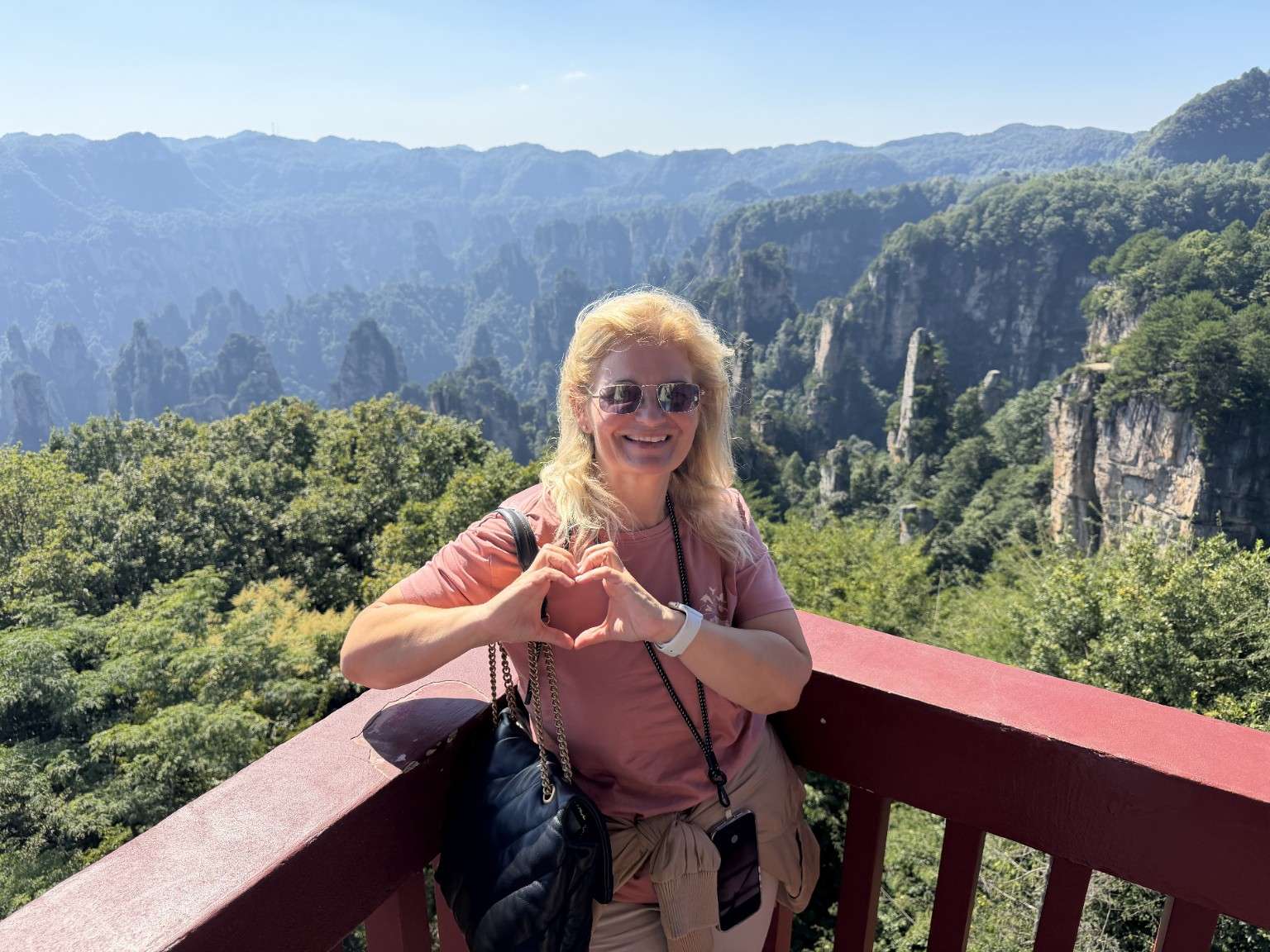
April–May and September–November are the most versatile periods for a first Zhangjiajie trip, but there is no month that guarantees both empty paths and clear views. The sandstone pillars look striking in mist; the trade-off is that thick cloud can briefly hide the panorama. Choose your season by the experience you want—and leave your park-day order flexible.
The quick seasonal choice
| Season | Best for | Plan around |
|---|---|---|
| Spring (March–May) | Greenery, streams and atmospheric cloud | Showers, slippery steps, changing visibility |
| Summer (June–August) | Longer daylight and lush scenery | Heat in the city, rain and school-holiday crowds |
| Autumn (September–November) | Comfortable walking conditions and seasonal colour | Busy public holidays and cooler late-autumn mornings |
| Winter (December–February) | Quieter-feeling visits and possible frost or snow scenery | Cold mountain conditions and possible weather disruption |
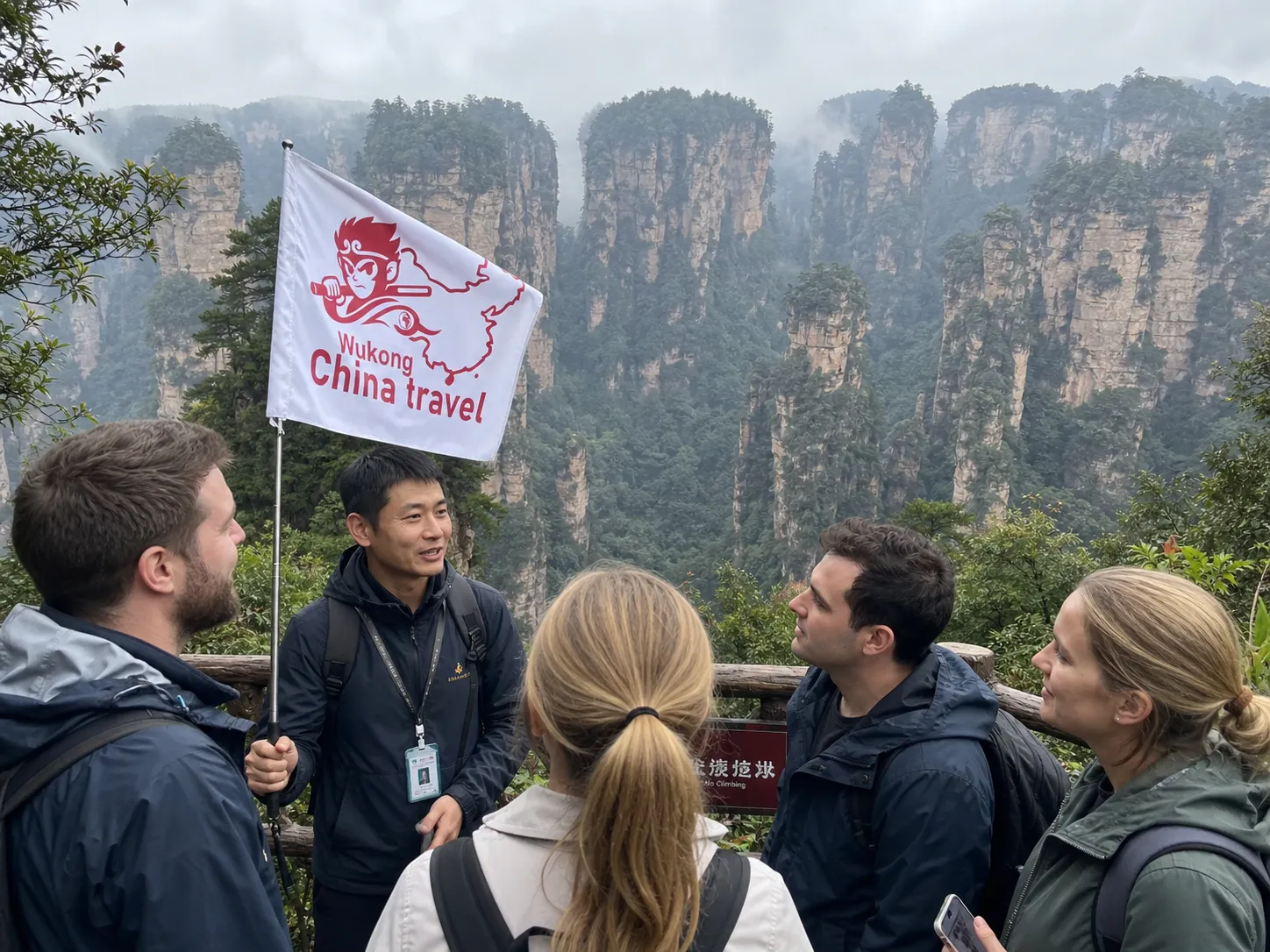
These are planning tendencies, not a promise about your travel week. Hunan’s cultural and tourism department describes Zhangjiajie as a humid, four-season mountain destination and particularly highlights April and October. It also flags summer showers and major holiday peaks. See the provincial season guide. UNESCO notes that mist and cloud are part of Wulingyuan’s landscape character.
Spring: vivid green, with a rain plan
Spring is a strong choice if you want fresh vegetation and don’t mind carrying a light waterproof layer. Rain can make the valleys and peaks especially atmospheric, but wet stone steps call for grippy footwear. Plan the elevated viewpoints for the clearer part of the day and keep a lower forest walk available if cloud settles in.
For a first visit, split the national forest park over two days instead of attempting Yuanjiajie, Tianzi Mountain and every valley path at once. Our Wulingyuan route guide explains how the areas fit together.
Summer: lush scenery, stronger crowd and rain planning
Summer works for travellers tied to school holidays, but a rigid timetable is fragile. Build extra time around shuttle queues, drink water and carry a rain layer that can be packed away easily. The mountain environment can feel different from Zhangjiajie city; dress in layers rather than assuming one forecast represents every elevation.
If a late-afternoon storm is likely, favour an earlier start and don’t schedule a tight flight or train immediately after a mountain outing. A private guide can adjust the order of stops, but no operator can promise uninterrupted cableway operation in adverse weather.
Autumn: a balanced first-trip option
For many international visitors, September through November is the easiest seasonal window to build around walking and photography. It is still worth checking China’s public-holiday dates before fixing hotels and tickets: a pleasant-weather week can also be a very busy travel week. If your dates are flexible, consider weekdays outside the holiday peaks and allow two separate Wulingyuan experiences.
Winter: quieter atmosphere, more weather risk
Winter can reward travellers who accept colder paths and the chance of a very different-looking landscape. Frost or snow is possible, not guaranteed. Some paths, cableways or attractions may be affected by conditions, so confirm the day’s access before leaving the hotel. Bring warmer layers and shoes suited to damp stone, and avoid building an onward transfer around a fixed afternoon mountain exit.
What if the famous peaks are hidden by mist?
Do not treat a cloudy first hour as a failed trip. Mist may thin, lift or move between viewpoints, but it may also remain dense. With multiple park days, swap a high-view circuit for a lower-level route such as Golden Whip Stream or Ten-Mile Gallery if the ticket and transport plan allow. Treat Tianmen Mountain and the Grand Canyon Glass Bridge as separate decisions, not automatic substitutes: they have different transfers and ticket arrangements.
Planning rule: If Zhangjiajie is the main reason for your China trip, reserve at least two usable sightseeing days plus arrival/departure time. Our 3-, 4- and 5-day comparison helps you choose the right length.
What to pack in any season
- Comfortable shoes with grip for wet steps and long walking days.
- A packable rain layer and a small day bag; avoid relying on a bulky umbrella on crowded paths.
- A warmer layer for early starts and higher viewpoints, even when the city feels mild.
- Water, any personal medication, and a little schedule flexibility.
Related guides: How to get to Zhangjiajie from major cities · Best time to visit China, month by month · China in winter: where to go and what to expect
Frequently asked questions
Is October always the best month?
October often has appealing conditions, but the early-October public holiday can bring heavy demand. Your exact week matters more than the month label.
Can I see the peaks after rain?
Often, but not reliably. Moving cloud can reveal the pillars and make memorable photographs; dense cloud can also obscure them. Keep the day’s route adjustable.
Is winter a bad time to visit?
No, if you value a quieter atmosphere and accept cold weather and possible access changes. It is less suitable for travellers who need a guaranteed full list of attractions on one fixed day.
Build a season-proof route
Share your dates, walking pace and must-see places with Wukong China Travel. We can suggest a realistic sequence of park days, hotels and transfers, then confirm current ticket arrangements before you travel. Request a custom Zhangjiajie itinerary.