
Short answer: yes, China is worth visiting in winter, from December to February, if you pack properly. The north is cold and dry but often sunny, the big sights such as the Forbidden City and the Great Wall are at their quietest, and you can choose between snow and ice in Harbin or mild sunshine in southern Yunnan. The one period to plan carefully is the Spring Festival: the public holiday runs from 5 to 13 February in 2027, and the weeks around it are China’s busiest time for trains and flights.

Pros and cons of a winter trip
| Why go in winter | What to plan for |
|---|---|
| Far fewer visitors at the Forbidden City, the Great Wall and the Terracotta Warriors | Cold in the north, with nights well below freezing in Beijing and Xi’an |
| Often clear, dry and sunny days in Beijing | Shorter daylight hours, so fewer sights per day |
| Lower demand for hotels outside the holiday weeks | The Spring Festival travel rush in late January and February |
| Unique winter experiences: ice festivals, snowy palaces, hot pot weather | Some mountain paths, glass walkways and cable cars close in ice or snow |
Winter weather and where to go, region by region
Beijing and the Great Wall
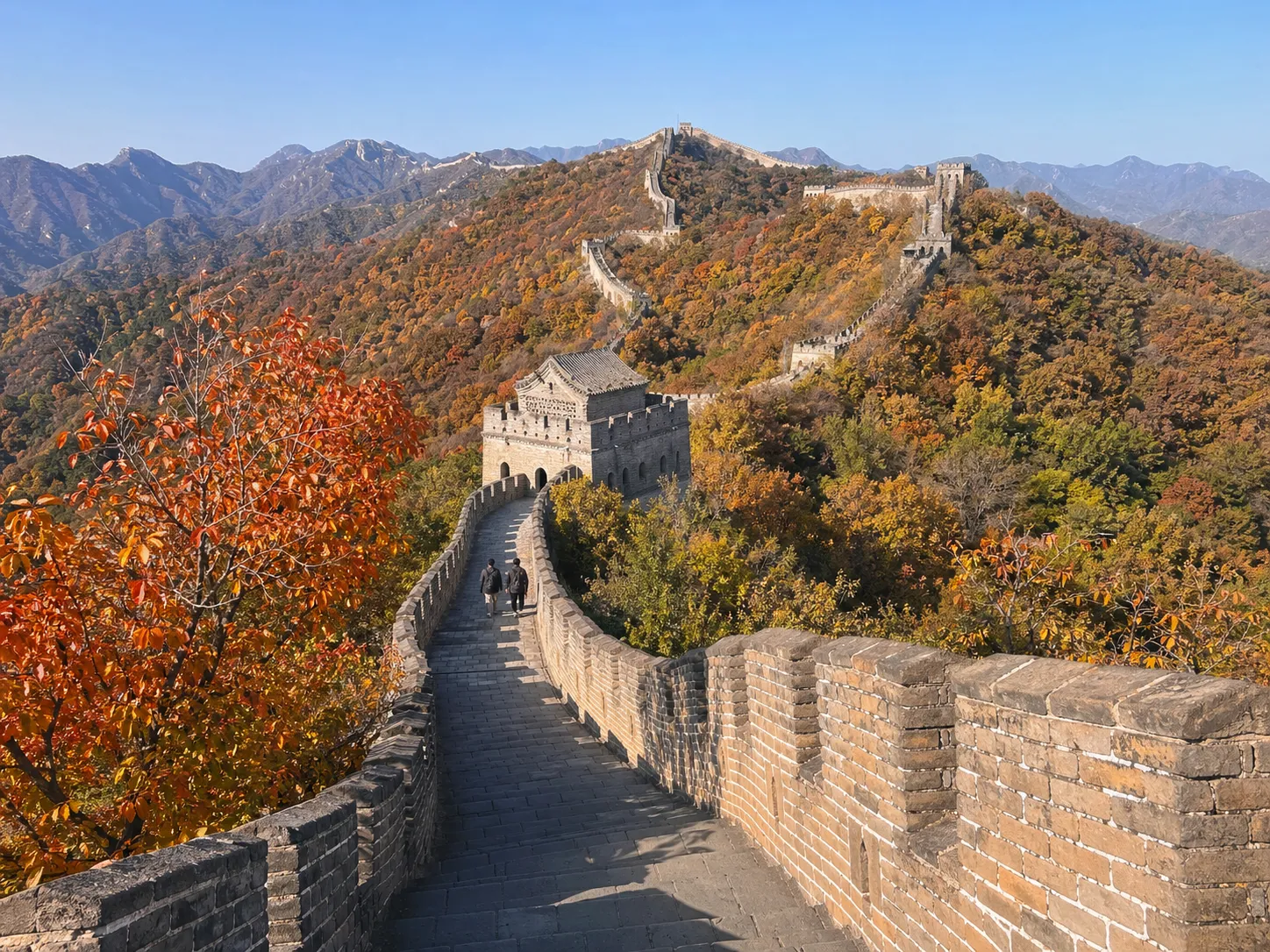
Beijing winters are cold and dry: daytime temperatures hover around freezing in January and nights fall well below zero, but skies are often clear and blue. Indoor spaces are heated: northern China has central heating from mid-November to mid-March. Snow is not guaranteed, but when it falls, the Forbidden City and the Great Wall look spectacular.
The Great Wall in winter: Mutianyu stays open all year and is wonderfully quiet in winter. The cable car still runs, but the toboggan can close in icy weather, and steps can be slippery after snow, so wear shoes with good grip and keep walks short and steady. Go in the late morning or early afternoon, when the sun has softened the cold. See how to visit the Great Wall from Beijing.
Harbin and the north-east
For snow and ice, Harbin is the place. Harbin Ice and Snow World usually opens in the second half of December and runs into February, alongside snow sculptures on Sun Island. January temperatures are often below −20°C, so proper winter clothing matters more than anything else. See our Harbin private tours.
Xi’an
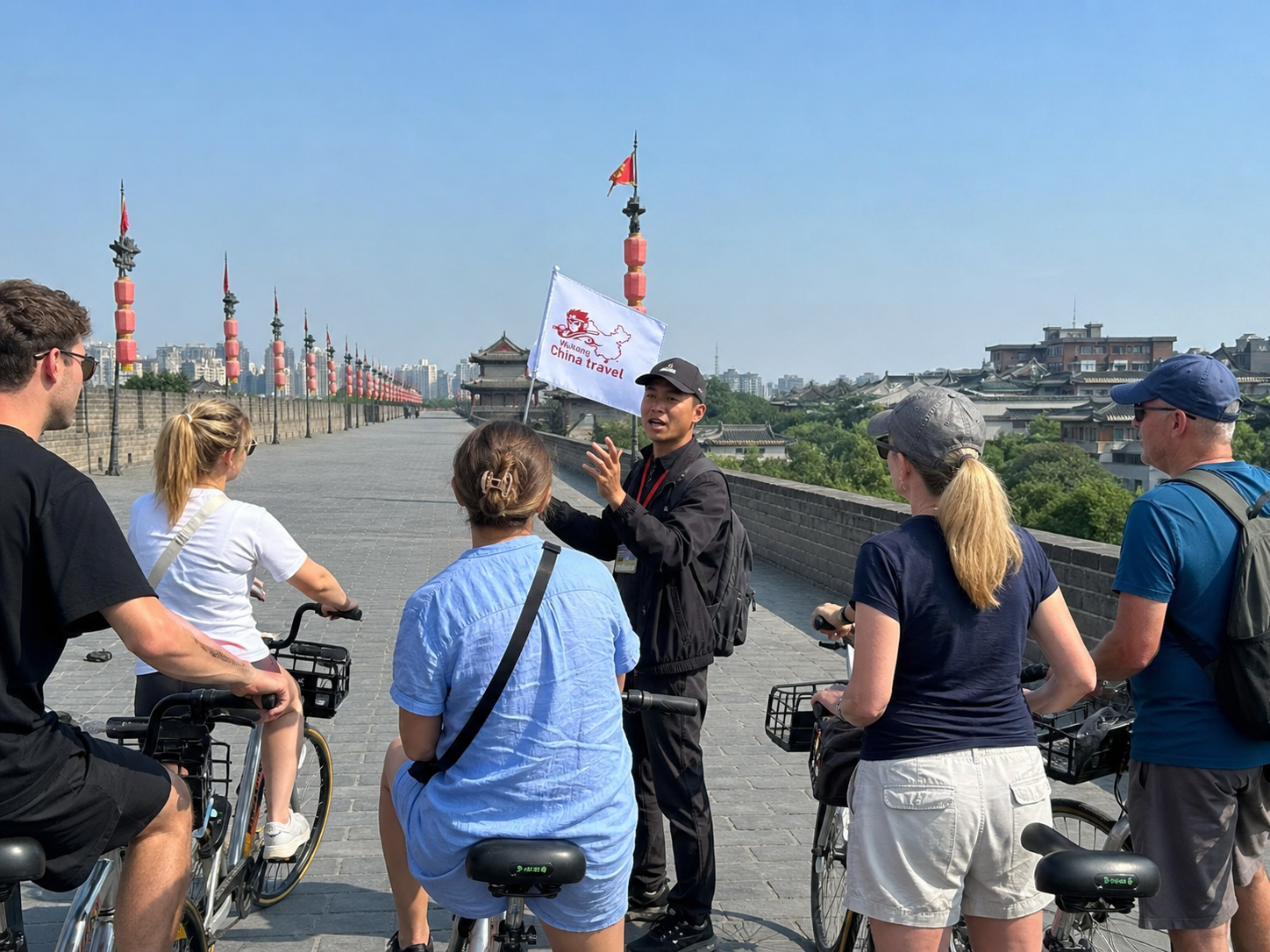
Cold and dry, a little milder than Beijing. The Terracotta Warriors are indoors, so winter is an excellent time to see them without the crowds, and steaming bowls of noodles and dumplings taste even better on cold evenings.
Shanghai, Suzhou and Hangzhou
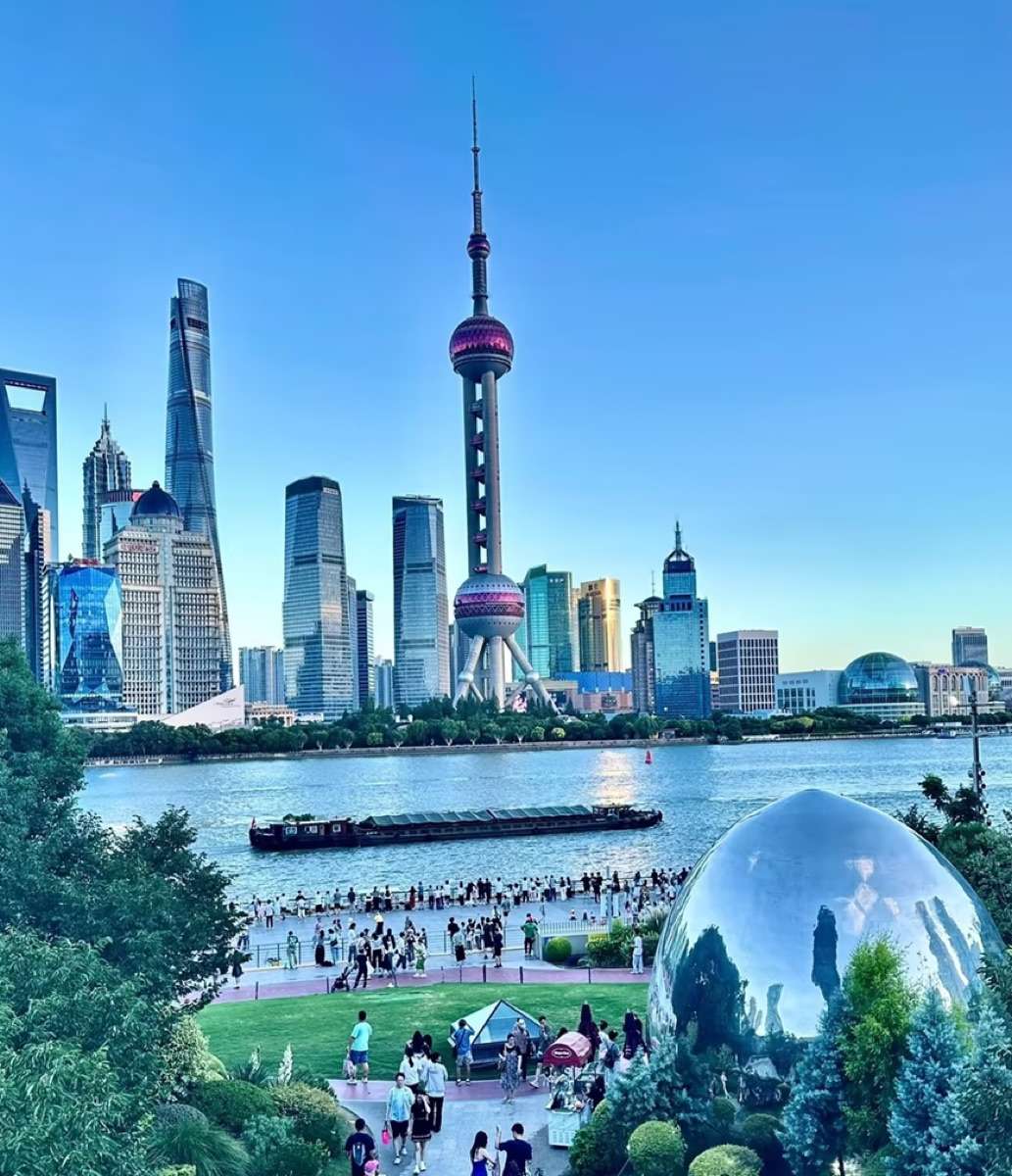
Cool and damp rather than freezing. Many homes and older buildings south of the Yangtze have no central heating, so it can feel colder indoors than the thermometer suggests; hotels are heated. Gardens and water towns are peaceful in winter.
Zhangjiajie
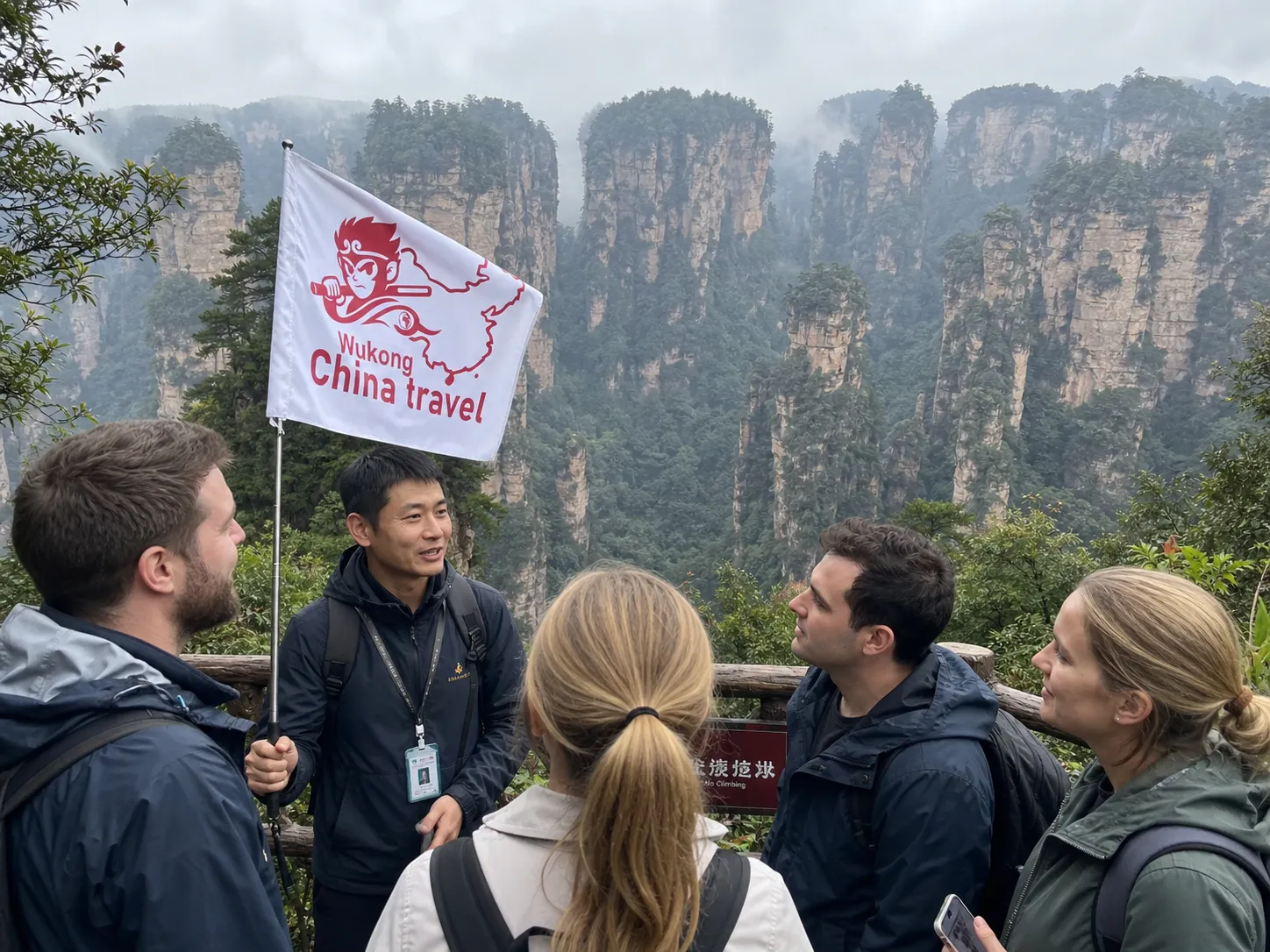
Cold, misty and very quiet. Light snow and frost on the sandstone pillars can be beautiful, but some paths, glass walkways and cable cars close temporarily when it is icy, so keep a flexible day in your plan. See best time to visit Zhangjiajie.
Guilin and Yangshuo
Cool and often grey, but rarely freezing. The Li River runs lower in winter, which can shorten some cruise routes; the karst scenery is still lovely on a clear day.
Chengdu and the pandas
Cool and damp, and a good time to see the pandas: they are more active in cool weather. Arrive at opening time, as in every season.
Yunnan
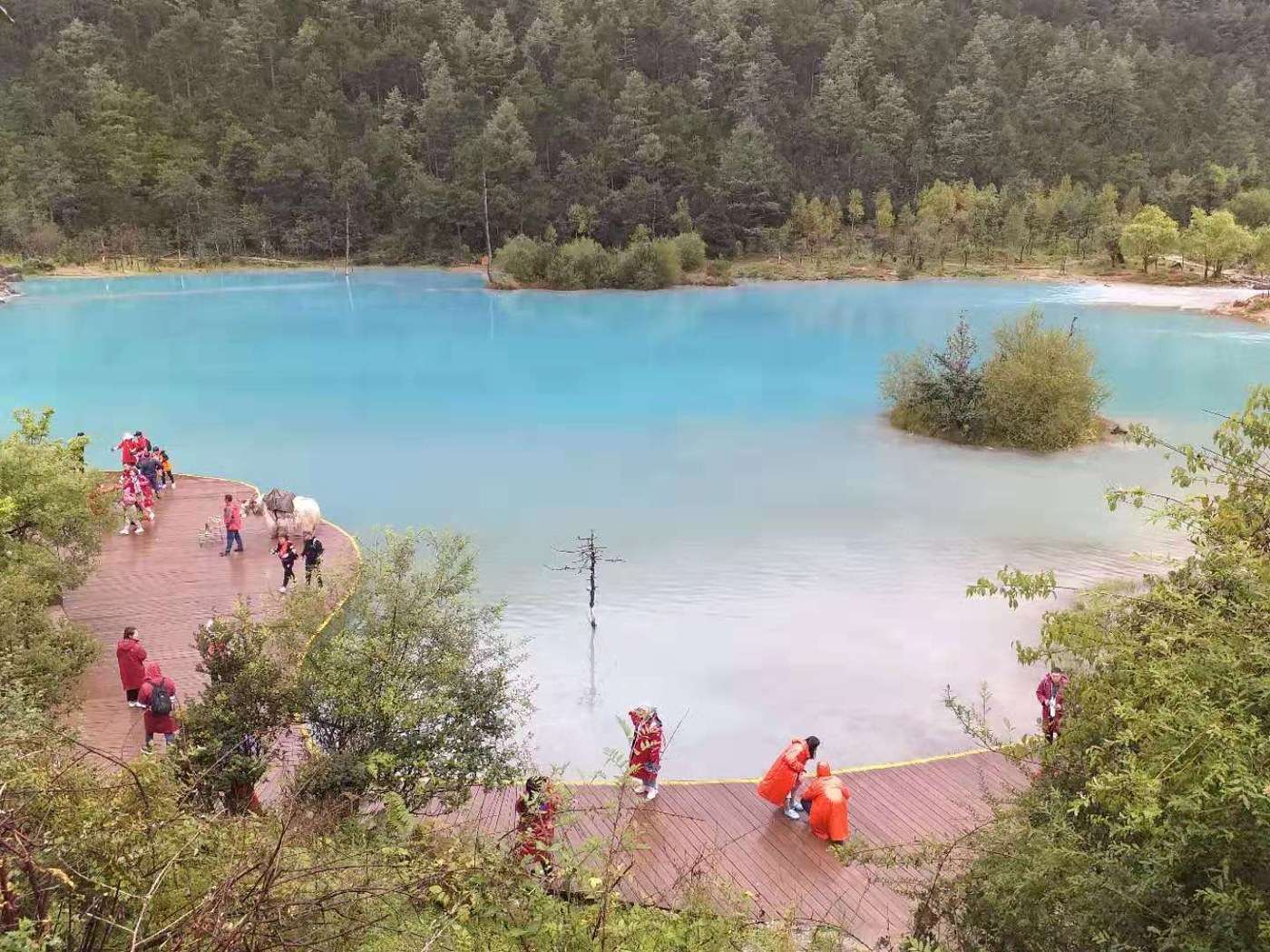
The sunniest choice. Winter is the dry season in Yunnan: Kunming is mild, Dali and Lijiang have sunny days and cold nights with views of the snow-capped mountains, and Xishuangbanna in the far south stays warm. See our Yunnan private tours.
Spring Festival 2027: what it means for your trip
Chinese New Year falls on 6 February 2027, and the official public holiday runs from 5 to 13 February. Hundreds of millions of people travel home in the weeks before and back afterwards, so trains and flights sell out early, some family-run restaurants and shops close for a few days, and popular sights get busy during the holiday itself.
There is also a festive side: red lanterns, temple fairs, lion dances and fireworks in some areas. If you want to experience it, book well ahead and choose a slower itinerary; if you prefer quiet sightseeing, travel in December or early to mid-January instead.
Winter itinerary ideas
- Classic China in winter, 8 to 10 days: Beijing, Xi’an and Shanghai, with indoor sights balancing outdoor days. See our 8-day Golden Triangle.
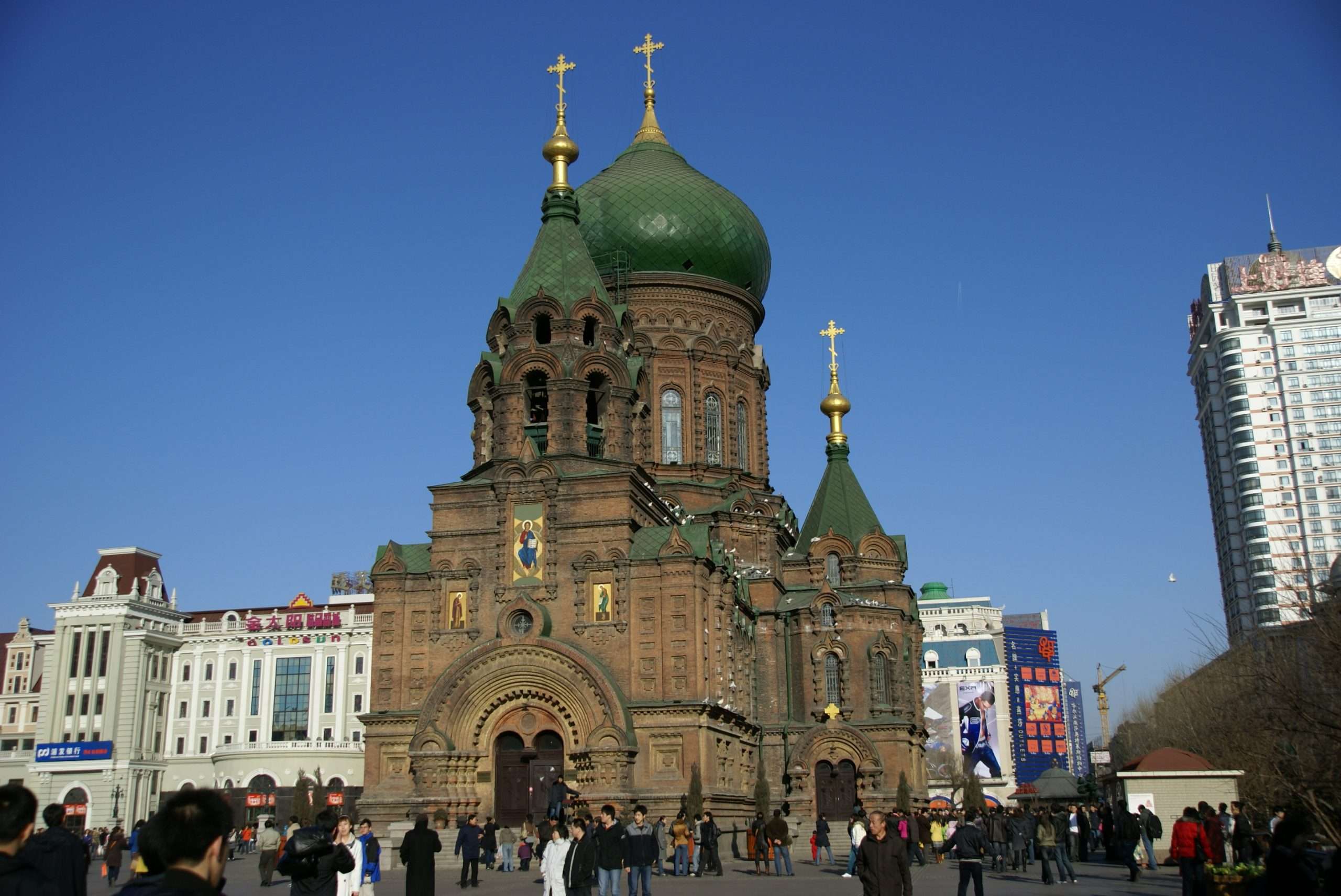
- Snow and ice, 4 to 5 days: Harbin’s ice festival, Central Street and Saint Sophia, plus China Snow Town or a ski day.
- Winter sunshine, 6 to 7 days: Kunming, Dali and Lijiang in Yunnan’s dry season.
- Combine both: a few days in Beijing or Harbin, then fly south to Yunnan for the sun.
What to pack for China in winter
- A warm down jacket, thermal base layers, a hat, gloves and a scarf for the north; for Harbin, insulated boots and hand warmers.
- Layers you can remove indoors, because heated buildings in the north can be warm.
- Shoes with good grip for icy steps at the Great Wall and in the mountains.
- Moisturiser and lip balm for the dry northern air.
- A light jacket and sun protection if you are heading to Yunnan.
See our full China packing list by season.
Frequently asked questions
Is winter a good time to visit China?
Yes, especially in December and early January. The famous sights are quiet, Beijing is often sunny, and you can choose snow in Harbin or mild weather in southern Yunnan. Just plan around the Spring Festival travel rush.
Can you visit the Great Wall in winter?
Yes. Mutianyu is open all year and very quiet in winter. The cable car runs, the toboggan may close in icy weather, and steps can be slippery after snow, so wear shoes with good grip.
Where is warm in China in winter?
Xishuangbanna in southern Yunnan and the island of Hainan stay warm through winter. Kunming is mild, and Dali and Lijiang have sunny days with cold nights.
When is Chinese New Year in 2027?
Chinese New Year is on 6 February 2027. The official public holiday runs from 5 to 13 February, and the travel rush begins several weeks earlier.
Plan a winter trip to China
Tell us your dates and whether you want snow or sunshine, and we will suggest the best route. We reply within 24 hours. Request a free custom itinerary.